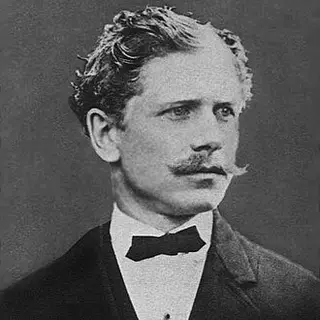
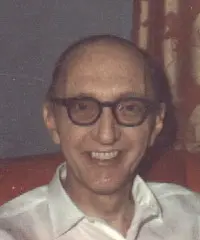
Ambrose Bierce was an American journalist, satirist, and short story writer, born in Ohio in 1842. He served in the Union Army, fought at Shiloh, and was wounded at Kennesaw Mountain. He later worked for San Francisco newspapers and wrote The Devil's Dictionary, a collection of satirical definitions. The date and circumstances of his death are unknown.
His war stories often follow people who misunderstand the danger around them. “An Occurrence at Owl Creek Bridge” concerns a man facing execution, while “Chickamauga” follows a child who encounters wounded soldiers. Bierce describes violence directly and often restricts the account to what one character can perceive. His ghost stories also depend on incomplete knowledge, leaving characters unsure whether an experience has a natural explanation.
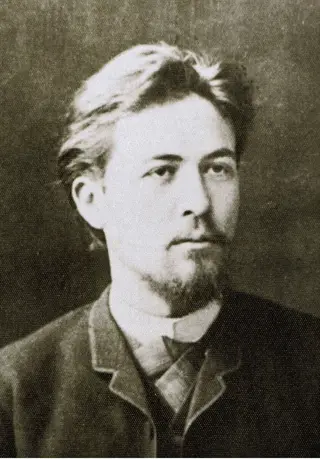
Anton Chekhov (1860–1904) was a Russian short story writer, playwright, and doctor. Born in Taganrog, he studied medicine in Moscow and supported his family by writing comic sketches and stories for magazines. He continued to practise medicine alongside his writing. His plays include The Seagull, Uncle Vanya, Three Sisters, and The Cherry Orchard, all performed by the Moscow Art Theatre.
His stories follow people dealing with loneliness, disappointment, social rank, and difficult relationships. In “Misery,” a grieving cab driver tries to find someone willing to listen to him. “The Lady with the Dog” concerns two married people who meet while staying in Yalta. Chekhov uses ordinary conversations and small changes in behaviour to show feelings that his characters struggle to express. Comedy and distress often occur together, and his endings frequently leave the characters' problems unresolved.
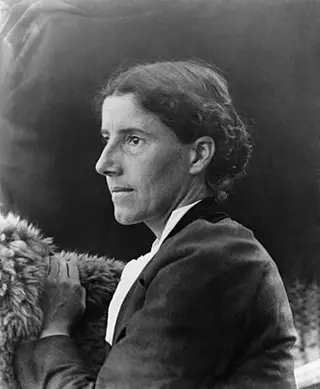
Charlotte Perkins Gilman (1860–1935) was an American writer and lecturer who argued that women needed paid work and financial independence. She developed these arguments in Women and Economics (1898) and wrote and edited The Forerunner from 1909 to 1916. Her experience of depression and a doctor's advice to stop writing helped inspire “The Yellow Wallpaper.”
The story follows a woman whose physician husband prescribes rest and isolation. She secretly keeps a journal that records her growing distress and her attempts to make sense of the room where she spends her days. Gilman also used satire and imagined societies to question expectations about marriage, motherhood, and work. These subjects recur in both her fiction and her essays on women's dependence on men.
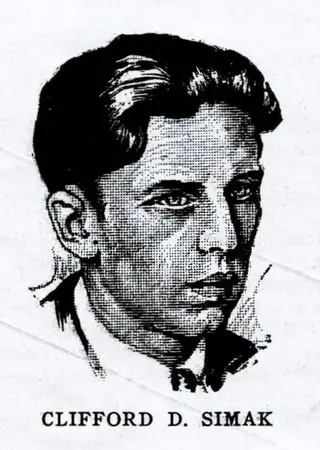
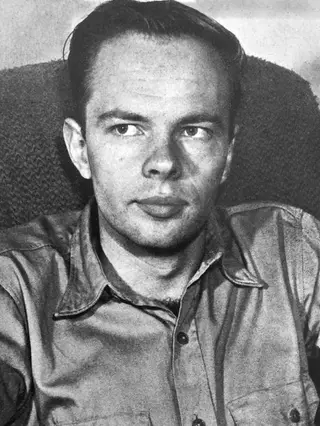
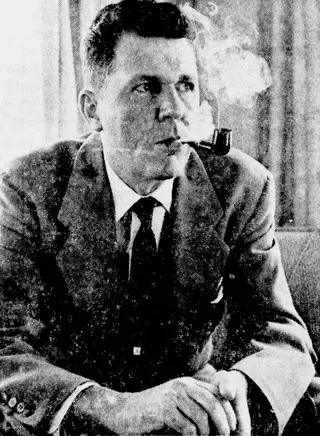
Clifford D. Simak (1904–1988) was an American science fiction writer and newspaper journalist. Born in rural Wisconsin, he spent much of his working life at the Minneapolis Star. He began publishing science fiction in 1931 and continued writing alongside his newspaper work. His books include City, a collection of linked stories about humanity's future, and Way Station, which won the 1964 Hugo Award for best novel.
His stories often place aliens and unfamiliar technology in rural settings. “The World That Couldn't Be” follows a farmer hunting an alien animal he does not understand. In “Project Mastodon,” time travelers try to establish a country in the distant past. Simak frequently writes about cooperation between different forms of life and the problems caused by human ignorance or fear. His characters face practical difficulties with work, money, and survival alongside the scientific questions.
Cordwainer Smith was the pen name of Paul Myron Anthony Linebarger (1913–1966), an American science fiction writer and political scientist. A specialist in Chinese politics, he served in military intelligence during the Second World War and wrote the textbook Psychological Warfare. “Scanners Live in Vain,” published in 1950, was his first story under the Cordwainer Smith name. Most of his science fiction belongs to the future history associated with the Instrumentality of Mankind.
His stories examine the demands of space travel and the unequal treatment of humans and other intelligent beings. “Scanners Live in Vain” follows space workers who have given up most of their senses to do their jobs. In “The Game of Rat and Dragon,” human telepaths work with cats to protect spacecraft. Smith often tells future events as old legends, with narrators who address the reader directly and refer to other events in his imagined history.
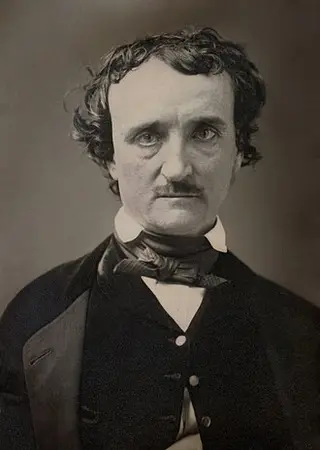
Edgar Allan Poe (1809–1849) was an American writer, poet, and critic known for horror stories and early detective fiction. He worked for several magazines as an editor and reviewer. In his criticism, he argued that a short story should produce a single effect and that each detail should contribute to it.
His horror stories often use narrators whose fear, guilt, or obsession affects the account they give. “The Tell-Tale Heart” is narrated by a killer trying to defend his sanity, while “The Fall of the House of Usher” follows a visitor to a troubled household. In “The Murders in the Rue Morgue,” C. Auguste Dupin investigates a crime through observation and reasoning. Poe uses both unreliable accounts and detailed investigations to control when information becomes available.
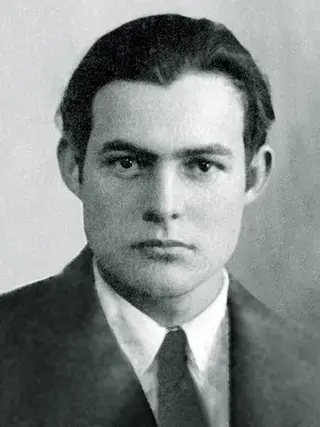
Ernest Hemingway (1899–1961) was an American novelist and short story writer known for concise prose. He began as a newspaper reporter, served as an ambulance driver in Italy during the First World War, and later lived in Paris. His collection In Our Time includes several stories about Nick Adams, a recurring character in his fiction. He received the Nobel Prize in Literature in 1954.
His stories often concern war, grief, work, and strained relationships. “Big Two-Hearted River” follows Nick Adams as he camps and fishes on his own. “Hills Like White Elephants” presents a couple discussing a decision without stating their disagreement directly. Hemingway often leaves the characters' feelings unexplained and conveys them through actions, physical details, and pauses in conversation.
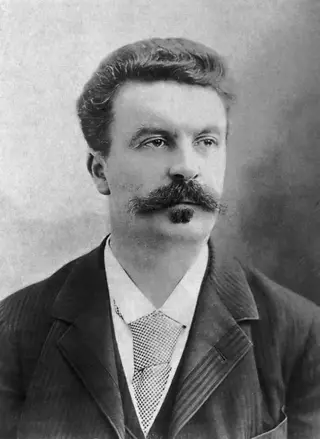
Guy de Maupassant (1850–1893) was a French short story writer and novelist. Born in Normandy, he served in the Franco-Prussian War and later worked as a civil servant in Paris. Gustave Flaubert mentored him and introduced him to other writers. “Boule de Suif” established his reputation in 1880. During the following decade, he published hundreds of stories and six novels, including Une Vie and Bel-Ami.
His stories follow peasants, clerks, soldiers, and wealthy families whose choices are shaped by money, desire, and social status. “The Necklace” concerns a clerk's wife who longs for a more luxurious life. “The Horla” follows a man who fears that an unseen presence has entered his home. Maupassant combines direct descriptions and sharp dialogue with irony, often exposing the difference between public respectability and private behaviour. His fiction includes social comedy, accounts of wartime cruelty, and stories of growing fear and uncertain perceptions.
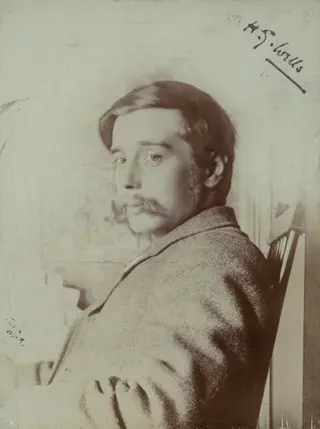
Herbert George Wells (1866–1946) was an English novelist, short story writer, and social critic. He studied biology under T. H. Huxley at the Normal School of Science in London and worked as a teacher before becoming a full-time writer. His early novels include The Time Machine (1895), The Invisible Man (1897), and The War of the Worlds (1898). He also wrote widely about history, science, and social reform.
His short fiction includes science fiction, fantasy, horror, and satire. In “The Country of the Blind,” a mountaineer reaches an isolated community whose inhabitants are all blind. “The Man Who Could Work Miracles” follows a clerk who discovers that he can make things happen by willing them. Wells describes extraordinary events through practical details and familiar social situations. His characters often discover that an unusual ability or a scientific advance creates problems they did not foresee.
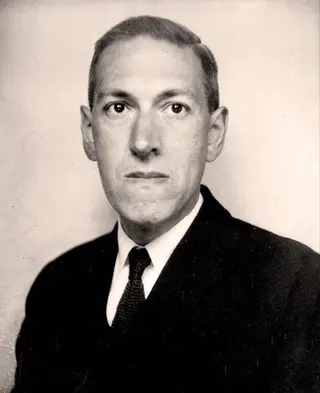
H. P. Lovecraft (1890–1937) was an American writer of horror, fantasy, and science fiction. Born in Providence, Rhode Island, he spent most of his life there. He published stories in magazines including Weird Tales and earned money revising and ghostwriting work for other authors. He also wrote essays, poetry, and thousands of letters to friends and fellow writers. After his death, August Derleth and Donald Wandrei founded Arkham House to publish his work.
His stories often take the form of reports, letters, and personal accounts of disturbing discoveries. In “The Call of Cthulhu,” a man examines documents linking a cult, strange dreams, and a sailor's account. “The Colour out of Space” concerns changes on a New England farm after a meteorite falls nearby. His cosmic horror presents people confronting forces they cannot understand or control. His racist views also appear in his fiction, particularly in his depictions of ancestry, immigrants, and nonwhite people.
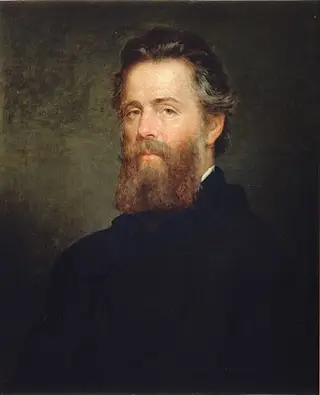
Herman Melville (1819–1891) was an American novelist, short story writer, and poet. His work as a sailor supplied material for Typee (1846) and Omoo (1847), which were popular with readers. Moby-Dick (1851) received mixed reviews and sold poorly during his lifetime. He later worked as a customs inspector in New York while continuing to write.
His shorter fiction often examines authority, work, and isolation. In “Bartleby, the Scrivener,” a Wall Street lawyer struggles to respond when an employee begins refusing his requests. “Benito Cereno” follows a visiting captain trying to understand the conditions aboard a Spanish ship. Both stories show how a character's assumptions can prevent him from understanding the people around him, even when he believes he is acting reasonably.
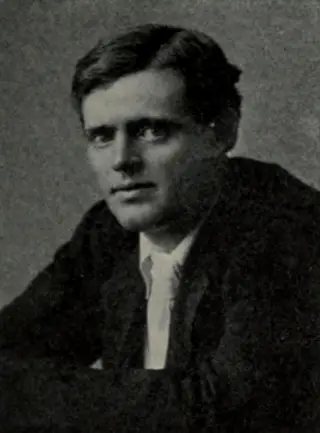
Jack London (1876–1916) was an American novelist, short story writer, and journalist. His fiction draws on his experience of manual work, sea travel, and the Yukon gold rush. He became widely known with The Call of the Wild (1903) and also wrote White Fang, The Sea-Wolf, and Martin Eden. Alongside his fiction, he wrote journalism and spoke publicly about socialism and economic inequality.
His stories often follow people and animals facing hunger, cold, and violence. In “To Build a Fire,” a man and his dog travel through the Yukon in extreme cold. “Lost Face” follows a captive fur trader trying to avoid torture. London describes the practical tasks of travel and survival closely, showing how fear, experience, and overconfidence affect a character's decisions. His characters must also judge when to trust others and how to respond to cruelty or exploitation.
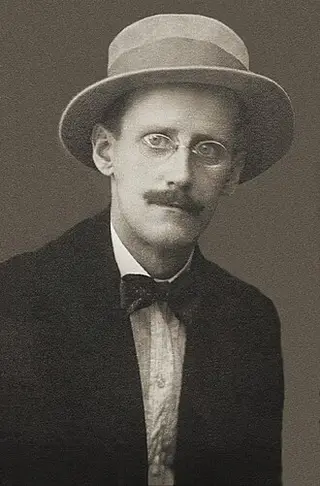
James Joyce (1882–1941) was an Irish novelist and short story writer associated with modernism. Born and educated in Dublin, he left Ireland with Nora Barnacle in 1904 and spent much of his life in Trieste, Zurich, and Paris. His collection Dubliners (1914) depicts life in his native city. His later novels include A Portrait of the Artist as a Young Man (1916), Ulysses (1922), and Finnegans Wake (1939).
The fifteen stories in Dubliners follow children and adults dealing with family duties, money, religion, and frustrated hopes. In “Araby,” a boy plans to visit a bazaar to buy a gift for a girl he admires. “Eveline” follows a young woman considering whether to leave Dublin with her lover. Joyce uses ordinary conversations and closely observed details to reveal feelings his characters struggle to express. Moments of recognition often change their understanding without resolving their difficulties.
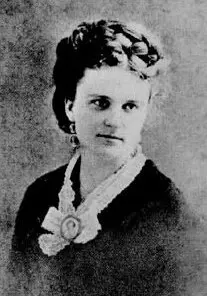
Kate Chopin (1850–1904) was an American novelist and short story writer. Born in St. Louis, she lived in New Orleans and rural Louisiana during her marriage before returning to St. Louis after her husband's death. She published much of her fiction in magazines during the 1890s. Her story collections include Bayou Folk (1894) and A Night in Acadie (1897). Her novel The Awakening (1899) drew hostile reviews for its treatment of a married woman's desire for independence.
Her stories examine marriage, money, racial prejudice, and women's freedom to make choices. “A Pair of Silk Stockings” follows a mother deciding how to spend an unexpected sum of money. “Désirée’s Baby” concerns a Louisiana family whose relationships are shaped by slavery and assumptions about ancestry. Chopin often contrasts what a woman feels privately with what her family or community expects of her, using everyday encounters and brief conversations to make those pressures clear.
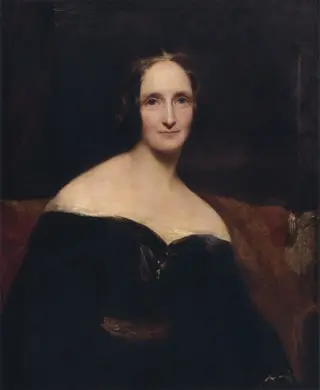
Mary Shelley (1797–1851) was an English novelist and short story writer best known for Frankenstein, published in 1818. Her parents were the writers Mary Wollstonecraft and William Godwin. She also wrote travel accounts and biographies, and edited the poetry of her husband, Percy Bysshe Shelley, after his death.
Many of her short stories appeared in literary annuals, especially The Keepsake. They concern love, grief, ambition, and family conflict, sometimes involving supernatural events. “The Mortal Immortal” follows a man who believes he has become immortal and describes the effects on his marriage. In “Transformation,” a young man is offered wealth in exchange for temporarily giving up his body. Both stories examine the consequences of decisions made under emotional or financial pressure.
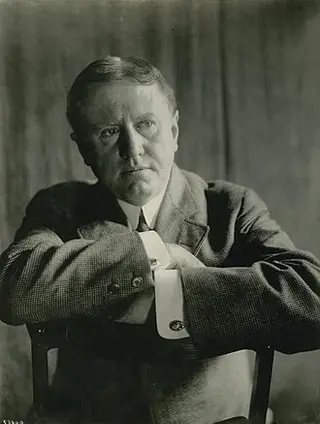
O. Henry was the pen name of William Sydney Porter (1862–1910), an American short story writer. He worked as a pharmacist, draftsman, and bank teller before writing full time. He published stories while serving a prison sentence in Ohio for embezzlement. After his release, he moved to New York in 1902 and wrote many of his best-known stories there.
His characters include shop workers, clerks, con artists, and people struggling to pay their bills. In “The Gift of the Magi,” a young married couple tries to afford Christmas presents. “The Ransom of Red Chief” follows two kidnappers whose captive causes unexpected trouble. His narrators use wordplay and informal language, and his endings often reveal information that changes how earlier events are understood.
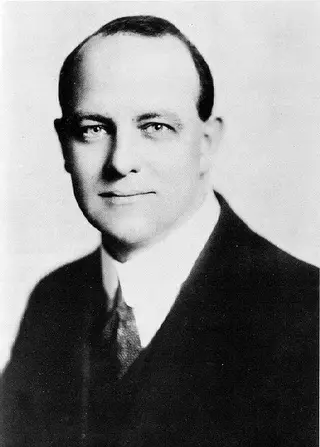
P. G. Wodehouse (1881–1975) was an English novelist, short story writer, and lyricist. After working in a London bank, he became a full-time writer, contributing to newspapers and magazines. He also wrote lyrics for Broadway musicals, collaborating with Jerome Kern and Guy Bolton. His recurring characters include Jeeves and Bertie Wooster, Psmith, and the residents of Blandings Castle. He settled in the United States and became an American citizen in 1955.
His Jeeves stories follow Bertie Wooster, a wealthy young man who repeatedly needs his valet's help with family demands, unwanted engagements, and his friends' schemes. In “The Great Sermon Handicap,” Bertie joins a betting scheme based on the length of village sermons. Wodehouse builds complications from misunderstandings, disguises, and promises that are difficult to keep. His humor depends on elaborate plots, comic comparisons, and the difference between a narrator's confidence and his understanding of events.
Philip K. Dick (1928–1982) was an American science fiction writer. Born in Chicago, he spent most of his life in California and began publishing professionally in 1952. He wrote many short stories for science fiction magazines before becoming widely known for novels such as The Man in the High Castle, Ubik, and Do Androids Dream of Electric Sheep?
His stories often follow workers, soldiers, and families who discover that their understanding of the world is wrong. “Second Variety” follows soldiers trying to identify an enemy that can imitate human beings. In “Beyond Lies the Wub,” a spacecraft crew must decide how to treat an animal that can speak and reason. Questions about authority, empathy, and the distinction between humans and machines recur in his work, often alongside suspense and dark humor.
Ray Bradbury (1920–2012) was an American writer of science fiction, fantasy, and horror. He grew up in Waukegan, Illinois, and developed his writing career in Los Angeles. The Martian Chronicles (1950) and The Illustrated Man (1951) collect many of his stories. His novel Fahrenheit 451 (1953) follows a fireman in a society that burns books.
His short fiction often concerns childhood, family relationships, and the effects of technology. “The Veldt” follows parents troubled by their children's use of an automated nursery. “A Sound of Thunder” concerns a hunting trip into the distant past and the risks of changing it. Bradbury also wrote about small towns, carnivals, and journeys into space, often focusing on loneliness, nostalgia, and fear of change.
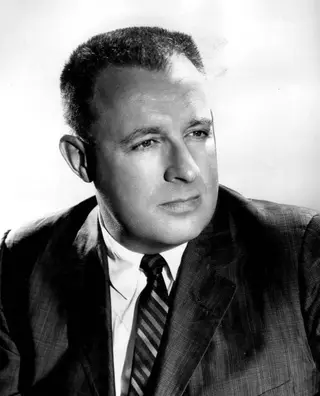
Robert Sheckley (1928–2005) was an American writer known for comic and satirical science fiction. He began publishing in 1952 and became a frequent contributor to Galaxy Science Fiction. His early collections include Untouched by Human Hands and Citizen in Space. He used comic dialogue and absurd situations to question consumer habits, government policy, and confidence in technology.
Sheckley often starts with an invention or social rule that seems useful, then follows the problems it creates. In “Watchbird,” machines designed to prevent murder must decide what counts as killing. “Cost of Living” follows a family whose household conveniences come with debts their children must inherit. His characters frequently misunderstand a rule, a machine, or another species, and their attempts to solve the resulting problem make it worse.
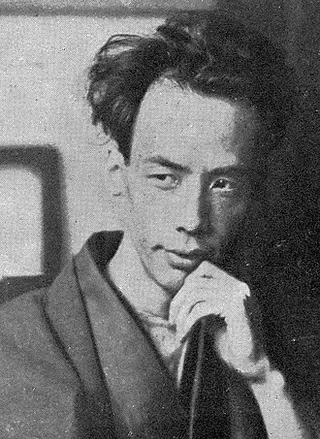
Ryūnosuke Akutagawa (1892–1927) was a Japanese short story writer. He began publishing while studying English literature at Tokyo Imperial University. His story “The Nose,” published in 1916, received praise from the novelist Natsume Sōseki. After graduation, he taught English at a naval engineering school before joining the Osaka Mainichi Shimbun newspaper in 1919.
Akutagawa often adapted older Japanese and Chinese tales to examine pride, cruelty, and self-interest. “Rashōmon” follows a dismissed servant considering how he will survive. “Hell Screen” concerns a painter commissioned to depict the torments of hell. In “In a Grove,” witnesses give conflicting accounts of a killing. His stories frequently leave motives uncertain and show how people explain or excuse their own actions.
Walter M. Miller Jr. (1923–1996) was an American science fiction writer best known for A Canticle for Leibowitz. He served in the Second World War, converted to Catholicism in 1947, and began publishing science fiction in 1951. Most of his shorter work appeared during the 1950s. “The Darfsteller” won a Hugo Award in 1955, and A Canticle for Leibowitz, developed from three related stories about a society rebuilding after nuclear war, won the award for best novel in 1961.
His fiction examines how technological change affects work, family life, and moral responsibility. “Conditionally Human” follows an inspector responsible for genetically engineered pets whose intelligence raises questions about their treatment. In “Death of a Spaceman,” a dying space worker looks back on his career and considers what it has meant for his family. These stories concern people whose personal loyalties conflict with their jobs or the rules of their society.
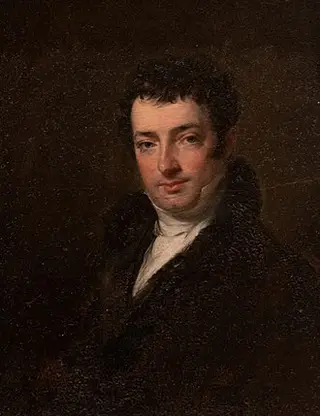
Washington Irving (1783–1859) was an American writer of stories, essays, histories, and biographies. Born in New York, he studied law and began his literary career with satire and sketches. He was living in England when The Sketch Book of Geoffrey Crayon, Gent. was published in 1819–1820. The collection includes “Rip Van Winkle” and “The Legend of Sleepy Hollow.”
His Hudson Valley stories describe village gossip, local customs, and rivalries within Dutch American communities. “Rip Van Winkle” follows a villager who returns to a community changed by the American Revolution. “The Legend of Sleepy Hollow” concerns a schoolteacher, a romantic rival, and a local ghost story. Irving's narrators repeat hearsay and offer competing explanations without always settling which account is true.